

Google Earth’s AI contributes to global public health initiatives
Google Earth’s AI technology is crucial for predicting disease outbreaks and supporting proactive healthcare measures by analyzing environmental data.

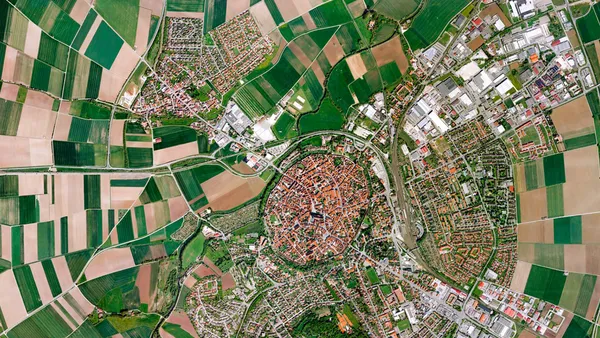
Google Earth’s artificial intelligence (AI) technology is playing a significant role in the global health sector by aiding in the prediction of disease outbreaks and facilitating proactive healthcare measures. This advanced technology harnesses the power of satellite imagery and data analysis to provide valuable insights into environmental conditions that could foster the spread of infectious diseases.
By analyzing patterns and changes in geographical and environmental data, Google Earth’s AI can identify areas at risk of disease outbreaks. This predictive capability allows health organizations to allocate resources more effectively and implement preventive measures before an outbreak occurs. For instance, the technology can track changes in vegetation, water bodies, and urban development, which are critical factors in the spread of diseases like malaria and dengue fever.
Furthermore, Google Earth’s AI supports public health efforts by offering detailed maps and visualizations that help health professionals understand the dynamics of disease spread. These visual tools enable health workers to plan and execute targeted interventions in vulnerable regions. The AI’s ability to process vast amounts of data in real time ensures that health authorities can respond promptly to emerging threats.
In addition to outbreak prediction, Google Earth’s AI is also instrumental in monitoring the effects of climate change on public health. As climate change alters ecosystems and weather patterns, it poses new challenges for disease control. The AI’s capability to monitor these changes allows for a better understanding of how climate factors influence disease transmission, thereby aiding in the development of adaptive health strategies.
Overall, Google Earth’s AI is a vital tool in the global health community’s arsenal, offering innovative solutions for predicting and mitigating health risks. By providing a comprehensive view of environmental and geographical factors, it empowers health organizations to take timely and informed actions to protect public health.